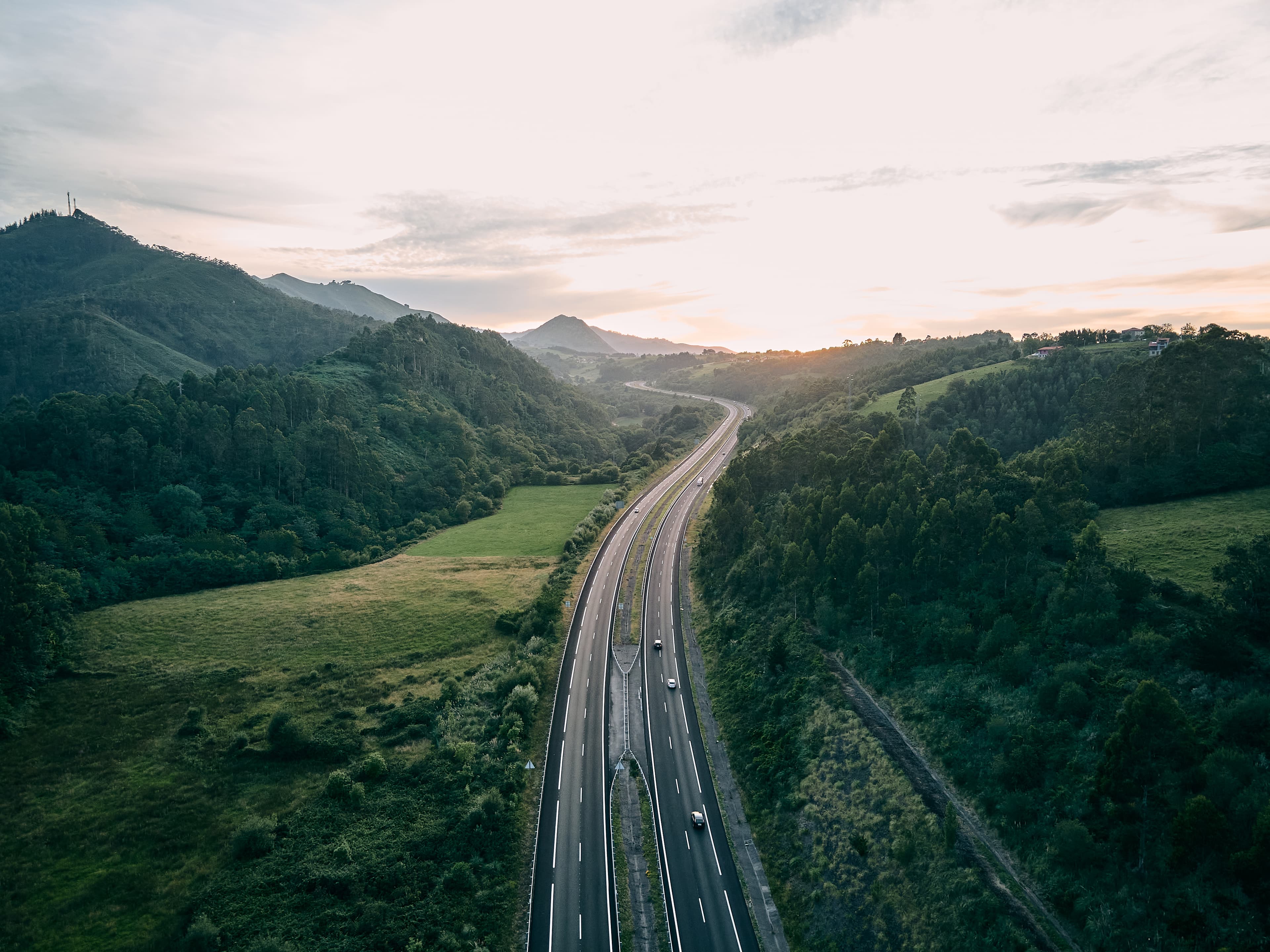
10 Tips for Driving Alpine Passes Like a Pro
After decades of guiding Porsche enthusiasts through Europe's greatest mountain roads, I've accumulated a few lessons that no GPS can teach you. Whether you're joining us on tour or exploring on your own, these tips will make your Alpine driving safer and more enjoyable.
1. Start early. Mountain passes are best before 10 AM — less traffic, cooler temps, and the light is magical. 2. Downshift, don't brake. Use engine braking on descents to preserve your brakes and maintain control. 3. Respect the inside lane. On blind hairpins, stay in your lane — buses and motorcycles come from nowhere. 4. Sound your horn on blind curves. In many Alpine countries, it's not rude — it's expected.
5. Learn the road signs. A yellow diamond means you have priority. A sign with a horn means sound it. Familiarize yourself before you go. 6. Fill up in the valleys. Gas stations are sparse above 1,500 meters. 7. Watch for motorcycles. They're everywhere in the Alps, often traveling much faster than you'd expect. 8. Stop often. The views are the point. Every pass has designated stopping areas with spectacular vistas.
9. Check weather and pass closures. Some passes close seasonally or during sudden weather events. The website alpenpaesse.de is your friend. 10. Carry our book. Every Orius participant receives a copy of 'Driving in Europe' — it covers road rules, fuel types, tolls, and etiquette for every country you'll pass through. It's the guide I wish I'd had when I first drove Europe in the 1970s.